
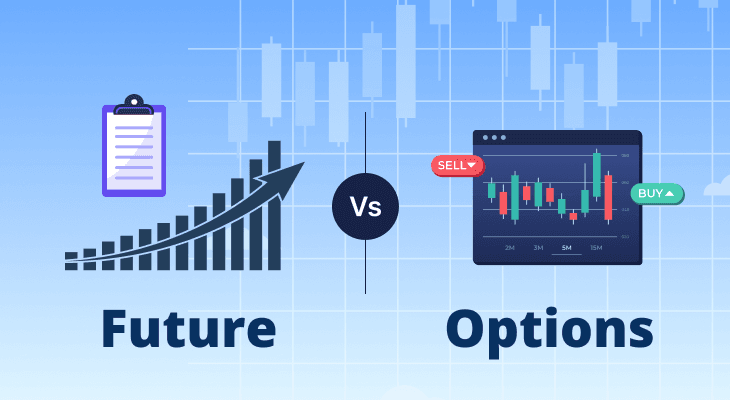
The financial markets of the Middle East and North Africa (MENA) region have witnessed a remarkable transformation over the past two decades. With economies diversifying beyond traditional sectors like oil and gas, investors are increasingly looking for sophisticated financial instruments to manage risk, enhance returns, and navigate volatile markets.
Among these instruments, options and derivatives stand out as versatile tools that can offer strategic advantages when used effectively. Understanding how to structure complex trades in this context can be the key to achieving maximum impact in the MENA financial landscape.
Understanding Options and Derivatives in MENA Markets
Options and derivatives are financial contracts whose value is derived from underlying assets such as stocks, indices, currencies, or commodities. Options give the holder the right, but not the obligation, to buy or sell an asset at a predetermined price before a certain date, while derivatives encompass a broader range of contracts, including futures, forwards, and swaps. These instruments can serve multiple purposes, from hedging against price fluctuations to speculating on market movements.
In the MENA region, the adoption of options and derivatives has been gradual but steady. Countries like the United Arab Emirates, Saudi Arabia, and Qatar have developed regulatory frameworks that encourage sophisticated trading, while other markets remain in earlier stages of evolution. Investors and financial institutions are increasingly leveraging these instruments to manage exposure to commodity price swings, foreign exchange risk, and equity volatility. Understanding the nuances of local regulations, market liquidity, and trading platforms is essential before constructing complex strategies.
Structuring Trades for Maximum Effectiveness
Successful options and derivatives trading requires careful planning and strategic structuring. The first step involves defining clear objectives. Are you aiming to hedge risk, enhance returns, or achieve a combination of both? For example, a portfolio manager in Riyadh might use options to protect against sudden drops in oil prices, while an investor in Dubai could employ derivatives to gain exposure to foreign equity markets without committing substantial capital upfront.
Next, the choice of instruments must align with these objectives. Vanilla options, such as calls and puts, offer straightforward hedging and speculative opportunities. More complex derivatives, such as spread strategies, collars, or straddles, allow for nuanced positions that can profit from volatility or directional market movements while managing potential losses. Structuring these trades requires an understanding of factors like strike prices, expiration dates, implied volatility, and delta, gamma, and theta sensitivities—parameters that influence how an option’s value changes with market movements.
Risk management is another critical component. Even the most carefully designed trades can be adversely affected by unexpected market events. Utilising stop-loss orders, setting exposure limits, and maintaining diversified positions can help mitigate potential downsides. For investors in the MENA region, incorporating local market considerations—such as geopolitical developments, oil price fluctuations, and currency dynamics—into risk models is essential for constructing resilient portfolios.
Leveraging Technology and Trading Platforms
Modern trading platforms play a pivotal role in executing complex options and derivatives strategies effectively. These platforms offer real-time pricing, advanced analytics, and access to global markets, which are indispensable for sophisticated traders. In the MENA region, platforms like Saxo provide a bridge between local investors and international financial markets, enabling access to a wide array of instruments and research tools. Traders can monitor market trends, test strategies through simulations, and execute multi-leg options trades with precision. For those interested in exploring these capabilities, you can see it here.
The integration of technology also facilitates the use of algorithmic trading and automated risk management systems. By leveraging these tools, traders can respond swiftly to market shifts, optimise trade execution, and maintain a disciplined approach to strategy implementation. This technological advantage is particularly valuable in volatile markets, where timing and accuracy can significantly impact returns.
Education and Expertise: Keys to Success
Options and derivatives are powerful tools, but they demand a high level of financial literacy and technical expertise. Investors and institutions must invest in continuous education to stay abreast of evolving market structures, pricing models, and regulatory changes. Workshops, certifications, and professional courses can equip traders with the necessary skills to navigate the complexity of derivatives markets.
Furthermore, collaborating with experienced financial advisors or risk managers can provide practical insights into structuring trades that align with specific investment objectives. In the MENA region, where market dynamics are influenced by a mix of global factors and regional policies, having access to expert guidance can be the differentiator between a successful strategy and one that underperforms.
Conclusion
Options and derivatives offer a pathway for MENA investors to achieve sophisticated financial outcomes, from hedging risks to pursuing targeted returns. Structuring complex trades for maximum impact requires a combination of strategic planning, technical expertise, risk management, and technological support.
By approaching these markets with diligence, knowledge, and a disciplined methodology, investors can unlock the potential of derivatives while navigating the intricacies of the regional financial landscape. For those ready to explore the possibilities, embracing these tools can transform challenges into opportunities and elevate investment strategies to new levels of effectiveness.


More Stories
Business Analytics in Healthcare Innovations and Insights
Diversifikasi Global dalam Strategi Wealth Planning Modern
Using Business Analytics to Mitigate Risks