
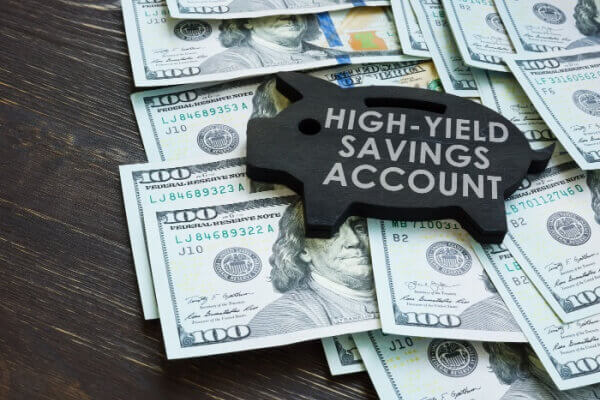
In an era where financial uncertainty is often the norm, the importance of saving money has never been greater. Whether you’re building an emergency fund or saving for a long-term goal like a home or retirement, maximising your savings potential is crucial. One of the best ways to do that is by using high-yield savings accounts, which offer significantly higher interest rates compared to standard savings accounts. This article explores the world of high-yield accounts, outlining how they work, their benefits, and how you can choose the best one to meet your financial goals.
What Are High-Yield Savings Accounts?
A high-yield savings account is exactly what it sounds like—a type of savings account that offers a much higher interest rate than a traditional savings account. These accounts are typically offered by online banks or smaller financial institutions, which have fewer overhead costs and can afford to pass those savings on to their customers in the form of better rates. By placing your money in a high-yield account, you can earn more interest, making your money work harder for you.
The process is simple. Just like with a regular savings account, you deposit money, and the bank pays you interest on the balance. The difference is the interest rate. While a typical savings account may offer an interest rate as low as 0.01% to 0.05%, high-yield savings accounts can offer rates that are 10 to 20 times higher, often reaching 4% or more depending on the current economic environment.
Financial institutions that offer high-yield accounts are in constant competition for your business. This competition drives them to offer rates that are significantly higher than what you’d find at your local brick-and-mortar bank. In short, these accounts provide an excellent opportunity for savers to earn more on their deposits with very little effort. Click here for more information.
Benefits of High-Yield Savings Accounts
One of the most attractive aspects of high-yield savings accounts is, of course, the higher interest rates they provide. The more interest you earn, the faster your savings will grow. Over time, even small differences in interest rates can result in significant gains, particularly when compounded. Earning 4% on your savings, for example, can make a major difference in building wealth compared to earning only 0.01% in a traditional account.
Another key benefit is the safety and security of high-yield accounts. These accounts are typically insured by the FDIC (Federal Deposit Insurance Corporation) up to $250,000 per depositor, per bank. This means that even if the bank were to fail, your money is protected up to the insured limit. This makes high-yield accounts a virtually risk-free option for storing your cash.
High-yield accounts also offer liquidity and flexibility, allowing you to easily access your funds when needed. Unlike other types of investment accounts or even some certificates of deposit (CDs), high-yield savings accounts do not lock your money away for a set period. You can deposit and withdraw funds whenever necessary, making them an excellent option for both short-term and long-term saving goals.
Different Types of High-Yield Accounts
There are various types of high-yield accounts available to suit different financial needs and preferences. One popular option is the online savings account. These accounts are offered by banks that operate primarily or entirely online, allowing them to pass their cost savings on to customers in the form of higher interest rates. Online savings accounts often provide easy access through mobile apps and online platforms, making them both convenient and profitable.
Another option is a money market account. These accounts typically offer higher interest rates than traditional savings accounts and sometimes include check-writing privileges or debit cards for added convenience. Money market accounts may have higher minimum balance requirements but offer the same level of liquidity and FDIC protection.
How to Choose the Right High-Yield Account
Selecting the right high-yield account requires careful consideration of several factors. First and foremost, compare the interest rates offered by different financial institutions. Since the goal is to potentially maximise your savings, finding the account with the highest rate will naturally help you achieve that. Keep in mind that some banks may offer promotional rates that expire after a certain period, so be sure to read the fine print.
Another critical factor is account fees and minimum balance requirements. Some high-yield accounts may charge maintenance fees or require you to maintain a minimum balance to earn a higher interest rate. These fees can eat into your savings and offset the benefits of a higher rate, so it’s essential to choose an account with low or no fees and reasonable balance requirements.
Conclusion
High-yield savings accounts are one of the best tools available for maximising your savings with minimal effort. By taking advantage of higher interest rates, FDIC insurance, and the flexibility to access your funds, these accounts offer a secure and efficient way to grow your money. Whether you’re building an emergency fund, saving for a big purchase, or planning for the future, a high-yield savings account can help you reach your financial goals faster while minimising risk.


More Stories